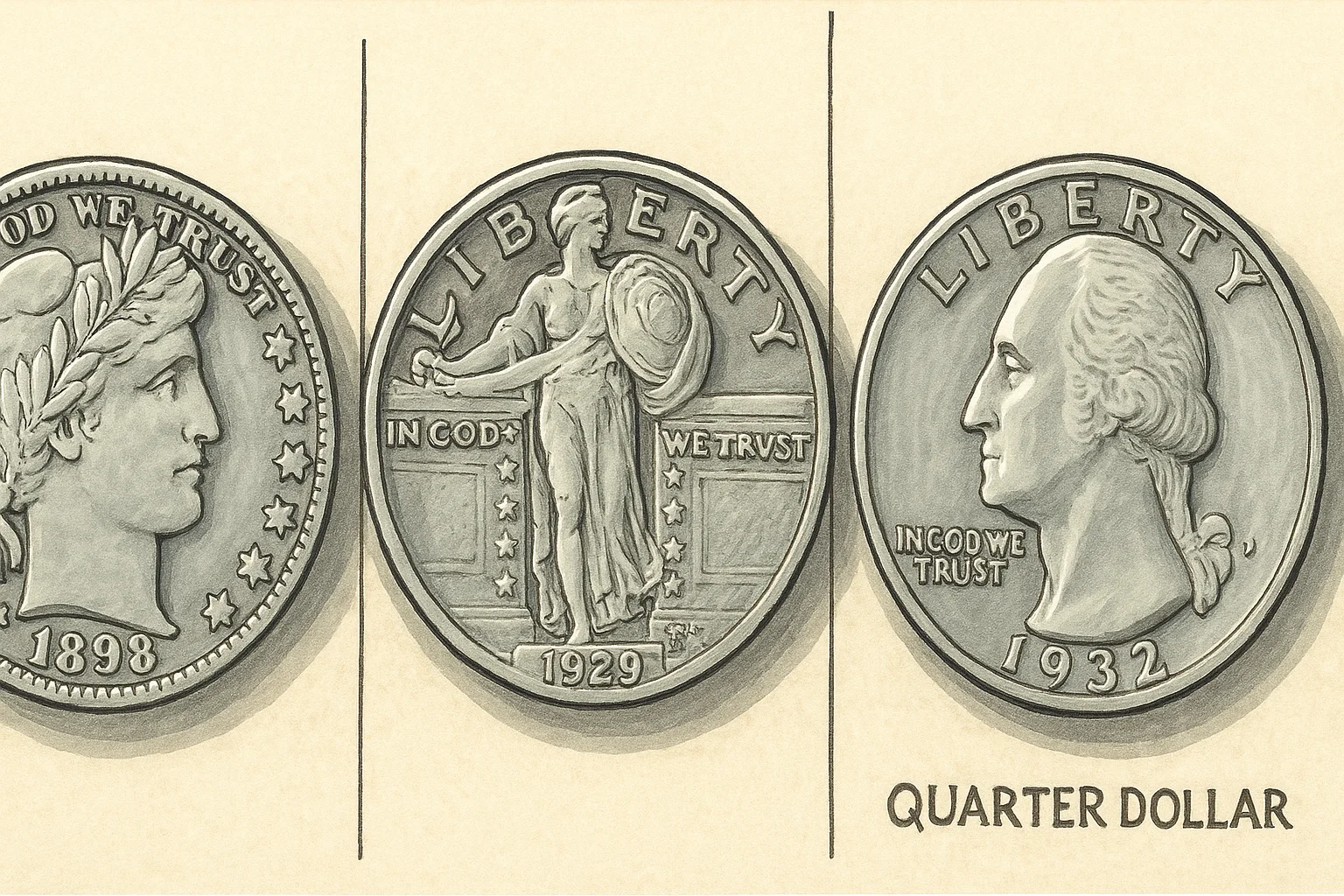
The 1908 penny value depends on the version first, then on grade, color, and surface quality. That is the main point of this date. A regular 1908 is not priced like a 1908-S. A proof is not priced like either of them. One year, three different market levels.
That is why collectors do not ask only, “What is a 1908 penny worth?” They ask a better question: what exactly is the market paying for? The answer is simple. Buyers pay for the right coin, the right condition, and the right look.
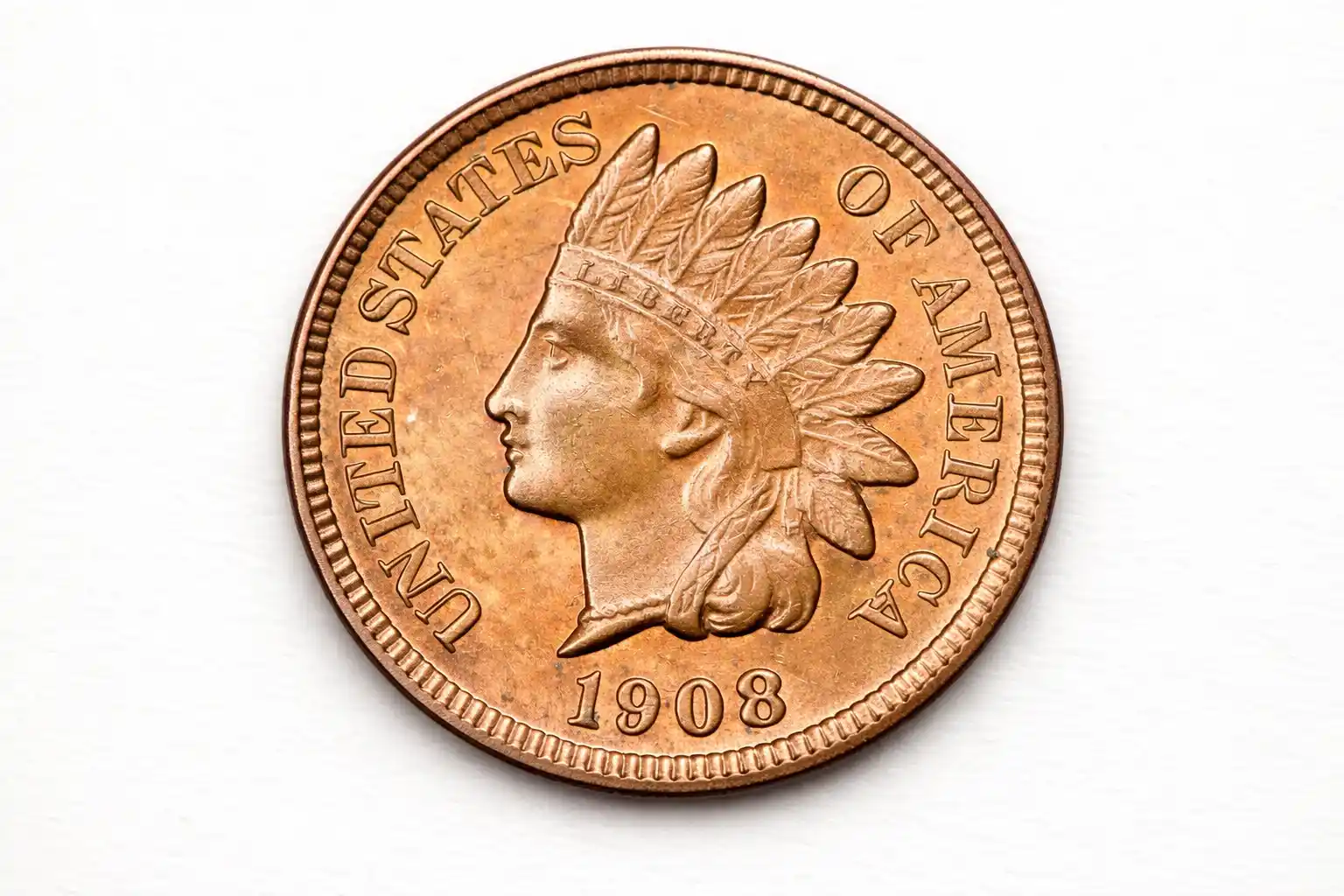
What Coin Is Meant by “1908 Penny”
For U.S. collectors, this usually means the 1908 Indian Head cent. That year includes three important groups:
- Regular 1908
- 1908-S
- 1908 Proof
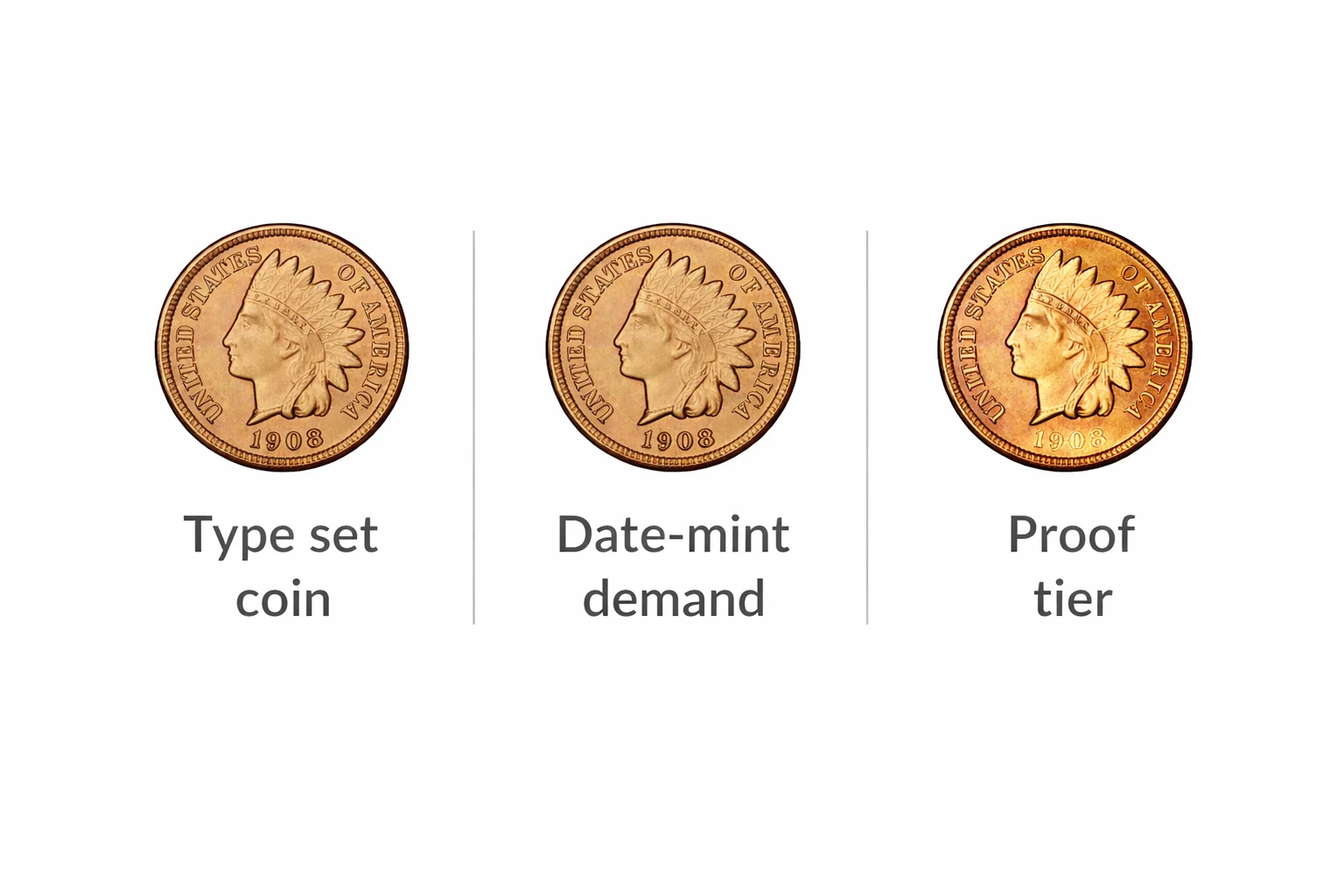
These coins share the same basic design, but they do not share the same market logic. The regular Philadelphia coin is the most available. The San Francisco issue carries much stronger demand. The proof belongs to a separate collector tier.
| Version | Basic Market Position | What Drives The Price |
| 1908 | More available | Grade and color |
| 1908-S | Better-date coin | Mintmark and grade |
| 1908 Proof | Separate collector tier | Surface quality and eye appeal |
This split matters from the first minute. If the version is wrong, the value estimate is wrong too.
Why The Market Does Not Treat All 1908 Pennies The Same
The regular 1908 is collected as a late-date Indian Head cent. Many pieces survive in the lower and middle grades. That keeps ordinary examples in a calmer price zone. A buyer can usually find one without much trouble.
The 1908-S is different. The mintmark changes the whole conversation. It is one of the key late-date issues in the series. Even before the grade is discussed, collectors already know it has a stronger demand.
The proof follows another path. Proof cents were made for collectors, not for circulation. Buyers in that market care more about fields, spots, color, and preservation. A proof with weak surfaces loses much of its appeal. A clean proof keeps its place.
What Collectors Actually Pay For First
Collectors do not pay for the date alone. They pay for a chain of factors. Some matters a little. Some matters a lot.
Here is the real order:
- Version
- Grade
- Color
- Surface quality
- Originality
That order explains why two 1908 cents can sell far apart, even when both look “old” to a non-collector.
Grade Comes First
Grade is the main driver for the regular 1908. A worn piece is common. A sharper coin with stronger detail is a different story. Once the coin moves into better collector grades, the price spread gets wider.
This is where many beginners miss the point. They see the same date and expect the same range. The market does not work that way. A lower-grade coin is bought as a basic example. A stronger one is bought as a better collectible.
Color Changes The Price
Indian Head cents are collected by color as well as by grade. Brown, Red-Brown, and Red do not trade the same way. Collectors usually pay more for stronger original color.
That does not mean every bright coin is better. On old copper, brightness can be a warning sign. A coin can look flashy because it was cleaned or recolored. A natural Brown or Red-Brown coin often gets more respect than a suspiciously bright piece.
Surface Quality Is a Price Factor
Marks, spots, rim knocks, hairlines, rough texture, and dull fields all matter. These points are easy to ignore in a photo. They become obvious in the hand.
A coin with decent detail but poor surfaces will not bring the same money as a cleaner example. This is one of the clearest rules in the series. Buyers do not only want details. They want a coin that still looks right.
A Value Table Helps, But It Does Not Explain The Market
A price table is useful. It gives a frame. It does not tell the whole story.
| Type | Lower-Grade Market | Better-Grade Market | Premium Zone |
| 1908 | Modest | Stronger in AU and mint state | Selective at the top |
| 1908-S | Higher across grades | Strong collector demand | Premium territory |
| 1908 Proof | Separate category | Condition sensitive | Eye appeal driven |
This table helps with structure. It does not explain why one coin is easy to sell, and another sits unsold. The table cannot show originality. It cannot show a suspicious color. It cannot show the difference between a stable surface and a stripped one.
That is where a coin value checker free can help, but remember, it also has limits. It can help identify the type and point to a rough market zone. It cannot judge the things collectors pay for most heavily.
The Real Market Logic Behind Stronger Prices
The market for the regular 1908 is simple. Lower-grade examples fill albums. Better pieces attract more serious buyers. High-end coins become selective because the pool gets smaller and the standards get tighter.
The market for the 1908-S starts higher. The mintmark gives it built-in demand. A buyer does not need a top-grade coin to care about it. The date-mint combination already matters.
The proof market is stricter still. Proof buyers do not just want the coin. They want the quality that justifies a proof. Spots, haze, hairlines, or poor color hurt that quickly.
A short comparison makes the point clearer:
- Regular 1908: bought for type sets and grade
- 1908-S: bought for date-mint demand and grade
- 1908 Proof: bought for finish, preservation, and eye appeal
That is why “1908 penny value” is never one flat number.
Collector Red Flags That Lower The Price Fast
Some problems move the coin down immediately. These are the issues buyers notice fast.
| Red Flag | Why It Hurts | Effect On Demand |
| Cleaning | Removes original surface | Strong negative |
| Carbon Spots | Distract from the design | Moderate to strong negative |
| Rim Damage | Weakens the coin physically | Moderate negative |
| Artificial Color | Creates doubt | Strong negative |
| Scratches and hairlines | Hurt eye appeal | Moderate negative |
Cleaning
Cleaning is the most common problem. A cleaned cent may look brighter in a photo, but the surface often turns unnatural. Hairlines show up. The fields lose their normal look. Serious buyers notice that quickly.
Carbon Spots
Carbon spots are common on copper coins. A few small ones may be tolerated on a cheaper piece. On a better coin, they hurt more. On a proof, they hurt even more.
Rim Damage and Rough Handling
Nicks, dents, and edge problems reduce appeal. Buyers have options with the regular 1908, so they do not need to settle for damage. The 1908-S gets a little more tolerance because it is a stronger date, but the discount is still real.
Questionable Color
A coin that looks too bright, too orange, or too even can raise doubts. Buyers want natural color. Once recoloring enters the discussion, confidence drops.
How To Read a 1908 Penny Like a Collector
A collector does not start with the seller’s claim. A collector starts with a basic sequence.
Check these points in order:
- Date
- Mintmark
- Overall detail
- Color
- Surface texture
- Signs of cleaning
- Rim quality
This order helps because it keeps the coin grounded in facts. It also stops a buyer from getting distracted by one strong photo or one word like “rare.”
A filler coin is not the same as a better coin. A filler closes the space in the set. A better coin has cleaner surfaces, steadier color, and stronger detail. That is what the premium goes toward.
Where Paying More Makes Sense
Paying more makes sense when the extra money buys something real.
Good reasons to stretch:
- Better grade
- Cleaner surface
- Stronger original color
- Scarcer version
- Better resale appeal
Bad reasons to stretch:
- Bright but cleaned look
- Weak coin with fancy photos
- Common 1908 priced like a better date
- Proof with surface problems
This is where many purchases go wrong. The buyer sees age and assumes a premium. The market sees quality and decides the real number.
Selling Logic: What The Next Buyer Will Notice
The next buyer usually sees the same things you should see now. Version. Grade. Color. Surface quality. Problems.
That means honest selling works better than inflated wording. A simple description with clear photos usually does more than a dramatic headline. Buyers of Indian Head cents want to know what is right and what is wrong. They do not need a speech. They need the coin shown clearly.
A clean selling approach looks like this:
- State the version clearly
- Mention the mintmark
- Describe the color honestly
- Show surface marks
- Do not hide problems
That method builds trust. Trust helps coins move.
Conclusion
The 1908 Indian Head cent is a good example of market logic in action. The regular 1908 is common enough in ordinary grades. The 1908-S starts from a stronger demand level. The proof belongs to a separate class. Buyers do not pay for the date alone. They pay for the right version, the right grade, the right color, and the right surfaces.
A coin checker helps at the first sorting stage. Coin ID Scanner can narrow similar pieces with smart filters, identify the coin type, and show a baseline value range. The final price still depends on what the coin really is in hand. That is what collectors actually pay for.